


Chat & Ask Anything - Ocean AI
4.6513.00 Reviews
App Specs
- Version
- 6.7
- Updated On
- License
- Free
- Downloads
- 1,000,000+
- Developer
- Dijital Elma
- Categories
- Productivity
- Platform
- Android, iOS
Screenshots
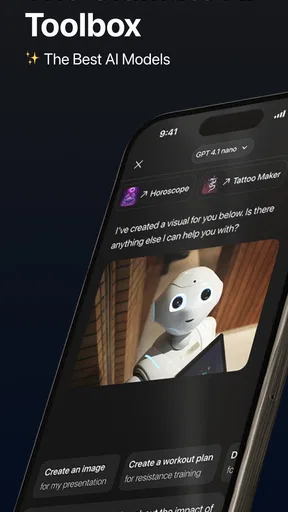

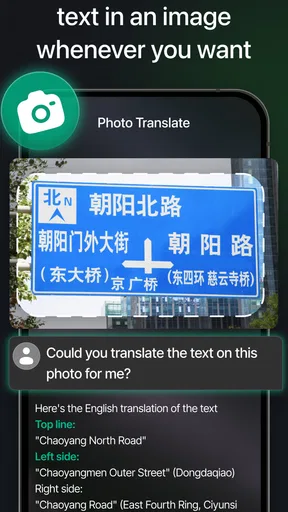
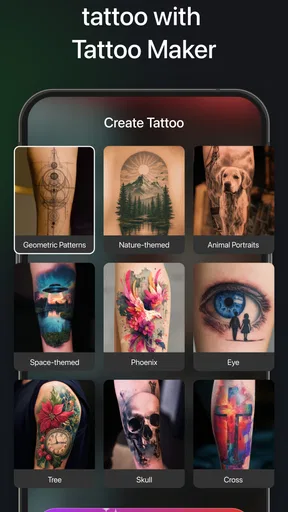
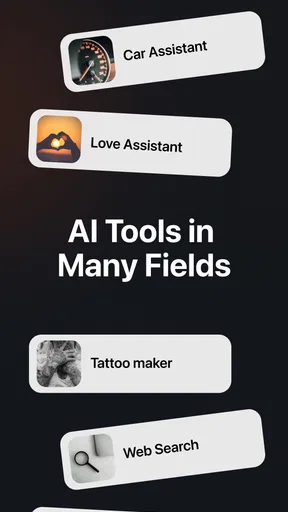

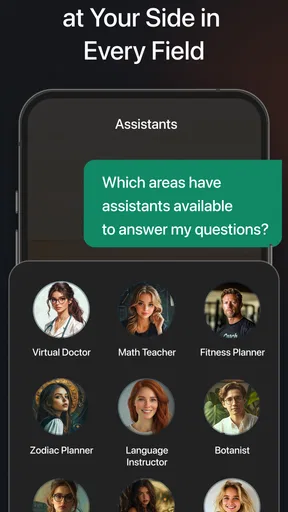
 Analysis by AppCompare
I reach for a chatbot when I have a small question that interrupts a larger task: how to phrase a message, what a term means, or how to break a vague idea into manageable steps. Ocean AI-Chatbot・Ask Anything is aimed at that kind of everyday help, putting a conversational assistant on a phone rather than asking me to search through several pages. I find that format most useful when I know what I need but not quite how to ask for it.
It is a free productivity app from Ocean Float Mobile, with a 4.1 average from around 13,000 ratings and more than a million installs. The app is listed for teens, and its current version is 5.0. GPT-4 and GPT-4o power its conversational answers, but I still treat the results as a starting point, not a guarantee: a confident explanation can be incomplete or mistaken, especially on questions where details matter.
A useful starting point for everyday questions
My best results come from giving the assistant a little context. Instead of typing “write an email,” I might explain who the message is for, what I need to say, and whether I want it warm or direct. That extra detail tends to produce a more usable first draft and cuts down on back-and-forth. For a quick definition, a simple question is enough; for planning or writing, a clear goal makes a noticeable difference.
A realistic use is getting ready for a busy day: I can ask for a short checklist from a few errands, then request a sensible order based on which tasks depend on others. I would still check practical details such as opening hours or travel time elsewhere, but the assistant can help turn a jumble of thoughts into a plan. That is a modest role, yet it can be exactly the nudge I need to get moving.
From prompt to something I can use
I think of the conversation as a small workflow rather than a magic answer machine. First, I describe the situation and the result I want. Then I inspect the response for assumptions, ask a follow-up to narrow it, and copy or adapt the useful parts into the place where the work actually happens. For example, a rough set of meeting notes can become a proposed summary or a list of questions to bring up, but I would compare that draft with the original notes before sharing it.
The handoff matters. A chatbot can help shape wording or explain an unfamiliar topic, but it does not replace a calendar, document editor, search engine, or specialist source. I use it to get unstuck, then move the result into the tool that keeps the final version. If the answer depends on current information, exact figures, or a decision with real consequences, I verify it rather than treating fluent language as evidence.
What the conversational approach does well
Compared with ordinary web search, a chat format is convenient when I want an explanation tailored to my question or need to refine the request in several steps. Search remains better when I need original sources, several viewpoints, or a current page I can inspect myself. Compared with a notes app, Ocean AI can help organize an idea, but a notes app is the better home for information I need to preserve and find later.
Worth Reading Before You Choose

EA SPORTS FC Mobile 26 Is a Bigger Football Game, but It Takes Time

Flipboard Shows What News Apps Must Do Beyond the Feed

Switching to Android Auto Means Rethinking Your Driving Routine

Google Calendar Makes a Crowded Week Easier to Manage

Ludo King Makes the Most of the Minutes Between Plans

Baby Panda World Brings Quick Play to Modern Phones, but Its Game Library Feels Busy
There is also a trade-off in asking one assistant to cover many subjects: its breadth is handy, but the answer may be too general for a specialized task. I get more value by asking it to explain a concept in plain language, draft a first version, or suggest questions I have not considered than by asking it to make a final call. For sensitive work, I avoid putting private details into a prompt unless I am comfortable sharing them with an online service.
When another tool is the better fit
This app makes the most sense for someone who wants quick conversational help with learning, brainstorming, everyday writing, or breaking a task into steps. It may also suit a language learner who wants to try phrasing a question or practice a short exchange, while remembering that generated language is not the same as feedback from a qualified teacher. I would skip it if I mainly need dependable citations, live information, long-term project tracking, or a structured system for managing tasks.
Cost is another practical consideration. The app is free to download, while optional in-app purchases range from $4.99 to $49.99 per item. I would try the free experience with a few real tasks before paying for anything, and decide based on whether its answers actually save me time. If I only need occasional facts, a browser search may be enough; if I need recurring records and reminders, a dedicated productivity tool is a more sensible choice.
Getting Started with Ocean AI
First things first, downloading and setting up Ocean AI-Chatbot・Ask Anything is as smooth as a calm sea. Available on both Android and iOS, the app installs quickly and doesn’t require a ton of permissions, which is always a plus in my book. Once you're in, the intuitive user interface greets you with a soothing ocean-themed design. It's calming and easy on the eyes, which is perfect for those late-night sessions when you're seeking answers.
Diving into Features
Now, let’s talk features because that's where the real magic happens. Ocean AI is packed with nifty capabilities that make it more than just a typical chatbot. The main highlight is its ability to answer virtually any question you throw at it. Whether it’s about science, history, or the latest tech trends, this app seems to have a treasure trove of information. The responses are quick and, more often than not, surprisingly accurate.
What I found particularly impressive is the app's ability to remember past interactions. So, if you asked about the weather last week, it might remind you in a friendly tone, "Hey, hope the sunny skies didn’t disappoint you!" It's these little personal touches that make the interaction feel less like talking to a robot and more like chatting with a knowledgeable buddy.
Ocean AI’s Unique Perks
Beyond the typical Q&A, Ocean AI-Chatbot・Ask Anything offers some unique perks. One of my favorites is the "Daily Wisdom" feature. Each day, the app serves up a bite-sized nugget of wisdom or an interesting fact. It’s like having a daily dose of brain food, and who doesn’t love learning something new every day?
Additionally, the app’s ability to handle a variety of languages is a big win. If you're multilingual or learning a new language, you can switch between languages seamlessly. This feature makes it a great companion for language learners looking to practice conversational skills.
Smooth Sailing with User Experience
When it comes to user experience, Ocean AI doesn’t disappoint. The developers have clearly put thought into making the app user-friendly. Navigation is effortless, and the responses from the chatbot are delivered with delightful animations, giving the app a lively feel. Plus, you don't have to deal with annoying ads popping up every minute, which is a huge relief.
The app also features an option to customize your interaction style. Want a more formal tone? No problem. Prefer a casual chat? Ocean AI’s got you covered. This level of personalization makes the app feel tailored to individual preferences, enhancing the overall user experience.
Final Thoughts
All in all, Ocean AI-Chatbot・Ask Anything is a refreshing take on what a chatbot app should be. It’s informative, engaging, and comes with a host of features that genuinely enhance your day-to-day digital interactions. Whether you’re looking to learn something new, get quick answers, or just have a friendly chat, this app is a fantastic choice.
If you haven’t already, I’d recommend giving it a whirl. It’s free to download and doesn’t bombard you with ads, making it an even sweeter deal. So, what are you waiting for? Dive into the ocean of knowledge and see what treasures you uncover!
One practical way to test whether the assistant fits your routine is to bring it a task with a clear finish line. Ask for a polite reply to a message, then revise the tone and length until it sounds like you. That small exercise shows whether the conversational back-and-forth is genuinely useful to you, rather than merely entertaining. I would keep names, account details, and other identifying information out of the example and describe the situation in general terms.
For a learning session, I might ask it to explain an unfamiliar idea, then request a simpler explanation and a few questions to check my understanding. The second prompt is often more valuable than the first because it reveals whether I can use the explanation, not just read it. If the topic is important for school, work, health, or money, I would use that exchange to identify what to verify with a trusted source rather than treating the chat as a finished answer.
Small habits that make answers more useful
I get better drafts when I state the audience, purpose, and constraints together: who will read the result, what it should accomplish, and what it must avoid. For instance, a request for a concise note can specify that it should sound friendly, include one clear next step, and avoid promising something I cannot deliver. This helps me judge the response against a real need instead of accepting polished wording just because it reads smoothly.
When an answer is too broad, I narrow one thing at a time. I might ask for a shorter version, then ask it to explain a particular sentence, rather than restarting with a completely different prompt. That makes it easier to see which instruction improved the result. For a decision with several options, I ask for criteria and trade-offs, then make the choice myself; asking for a single “best” answer can hide the assumptions behind it.
Keeping the result organized after the chat
A useful response can disappear into a long conversation if I do not take it somewhere durable. For anything I may need again, I copy the final version into my usual notes or document system and label it with enough context to understand later. I do not rely on a past chat as my only record of a deadline, commitment, or important instruction. This is especially helpful when I use the assistant for brainstorming: the chat can generate possibilities, while my own list captures the ideas I actually intend to act on.
For collaborative work, I treat generated text as a draft that still needs an owner. Before forwarding it, I check names, dates, tone, and factual claims, then make sure it reflects what I really mean. That review is not busywork; a smooth-sounding message can accidentally be too certain, too formal, or simply unlike my voice. The app can reduce the blank-page problem, but I remain responsible for what leaves my phone.
Where convenience has limits
The natural next question is whether a conversational assistant can replace search. For my use, it cannot. It is handy when I want a compact explanation or an initial outline, while search is the better route when I need to inspect a primary source, compare publishers, or confirm a changing detail. I often use the chat to figure out what I should look for, then switch tools to check the answer. That two-part approach is slower than accepting the first response, but much safer when accuracy matters.
Another reasonable question is whether it can manage a whole project. I would not use it as the sole place for task ownership, due dates, or shared records. A dedicated planner is clearer for tracking what is done and what remains, while a chatbot is better at helping me think through how to start. The distinction is simple: use Ocean AI for the conversation that shapes a task, and use a purpose-built tool to keep the task accountable.
Its broad usefulness also comes with a risk of overconfidence. If I ask for a summary of a complicated topic, I read it as a convenient first pass and look for missing context before relying on it. I am especially cautious with advice that could affect someone’s safety or finances. In those cases, the right outcome may be a list of questions to take to a qualified person, not a decision made inside the app.
Who is likely to get the most from it
I would recommend trying it if you often need help turning a half-formed thought into a draft, explanation, or next step and are comfortable checking the result. It is also a reasonable companion for low-pressure language practice: ask for a short exchange, try your own reply, and use the conversation to explore alternative wording. For serious language assessment or fine corrections, a dedicated learning resource or human teacher offers a clearer standard.
On the other hand, people who want source-backed research, dependable live facts, or a searchable personal knowledge base should start with tools built for those jobs. The same goes for anyone who dislikes revising AI-generated text or prefers a predictable form, checklist, and saved workflow over an open-ended conversation. Ocean AI is at its best when it helps me move from uncertainty to a useful first draft; it is less convincing when I expect it to provide the final authority or keep my work organized for me.
A sensible way to decide
I would give the free version a fair trial on a few ordinary tasks before considering an in-app purchase. Choose one writing task, one question you genuinely want explained, and one planning problem; then notice whether the answers save effort after you have checked and edited them. That is a more useful test than judging the app by a single impressive reply. If the process feels like more correction than help, a search engine, notes tool, or specialist app may fit better.
Overall, I see Ocean AI as a convenient conversational starting point rather than an all-purpose productivity system. Its strongest role is helping me clarify a question, explore an idea, or get past the first blank page, with the handoff to my own notes, research, or judgement doing the rest. I would keep it in my toolkit for those small moments of uncertainty, while choosing a more specialized tool whenever accuracy, traceable sources, or dependable task tracking matters most.
Pros
- Engages in natural conversations easily.
- Offers quick
- insightful responses.
- Intuitive interface for all users.
- Wide range of topics covered.
- Learns from past interactions.
Cons
- Occasional misunderstanding of queries.
- Requires internet for full functionality.
- Limited customization options.
- May provide generic answers at times.
- Subscription needed for premium features.
FAQs for Chat & Ask Anything - Ocean AI
What is Ocean AI-Chatbot and how does it work?
Ocean AI-Chatbot is an advanced AI-powered assistant designed to answer questions, provide information, and engage in natural conversations. It uses machine learning algorithms to understand and respond accurately to user queries. The app is equipped with a vast database to provide informative and relevant answers on a wide range of topics.
Is Ocean AI-Chatbot available for both Android and iOS devices?
Yes, Ocean AI-Chatbot is available for download on both Android and iOS platforms. Users can access it via the Google Play Store for Android devices and the Apple App Store for iOS devices. The app is optimized for both operating systems to ensure a seamless user experience.
What are the key features of Ocean AI-Chatbot?
Ocean AI-Chatbot offers a variety of features including real-time conversation, multi-language support, and personalized responses. It can assist with daily tasks, answer trivia questions, and provide recommendations. The app is designed to learn from user interactions to improve its responses over time, offering a more tailored experience.
Are there any privacy concerns when using Ocean AI-Chatbot?
Ocean AI-Chatbot is committed to user privacy and employs strong encryption to protect user data. The app does not store personal conversations, ensuring that user interactions remain confidential. It adheres to the latest privacy regulations, and users can review the privacy policy within the app for more details.
Is there a cost to use Ocean AI-Chatbot?
Ocean AI-Chatbot is free to download and use, with optional in-app purchases available. These purchases can unlock additional features or enhance the app's functionality. Users can enjoy the core features without any cost, making it accessible for everyone interested in AI-powered assistance.


